Iconic fountains significantly impact local Real Estate markets by enhancing aesthetics and fostering community. They drive property values, attract investors, and serve as cultural beacons. However, gentrification may displace long-time residents. To mitigate this, local governments should preserve affordable housing while integrating responsible development, engaging in public consultations, and promoting sustainable construction. These strategies ensure inclusivity, maintain unique character, and benefit Real Estate naturally. Proper fountain design, maintenance, and adaptive strategies extend lifespans, attract economic activity, and boost retail sales. Investing in iconic fountains preserves history and contributes to community well-being.
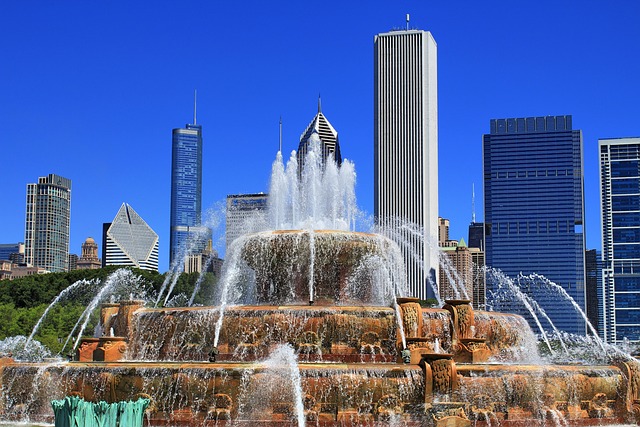
The iconic fountain, towering above a picturesque town, is more than just a landmark—it’s a symbol of community pride and economic vitality. However, maintaining such treasures often poses challenges, particularly in the dynamic realm of Real Estate, where historic preservation meets modern development. This article delves into the intricate dance between preserving these cultural gems and driving sustainable growth, offering insights that bridge the gap between conservation and progress. By exploring innovative strategies and best practices, we aim to equip stakeholders with tools to ensure these fountains—and the towns they grace—thrive for generations to come.
Unveiling the Impact on Local Real Estate

An iconic fountain towering above a town can significantly impact local real estate markets. Such landmarks often serve as a community’s centerpiece, enhancing the overall aesthetic appeal and desirability of the area. Prospective buyers and tenants are increasingly drawn to locations that offer both modern amenities and historic charm, making these towns attractive destinations for those seeking a unique lifestyle. For instance, in cities like Rome or Paris, iconic fountains like the Trevi Fountain or the Fontaine de l’Observatoire not only draw tourists but also contribute to the high real estate values in their vicinity.
The presence of an impressive fountain can drive up property values by creating a sense of place and community pride. Residents take pride in calling such areas home, which in turn attracts more investors and buyers. This dynamic is evident in many historic European cities where well-maintained fountains are integral to the local identity. As a result, real estate naturally becomes more valuable, with properties near these landmarks often commanding premium prices. Moreover, the increased footfall and tourism can benefit nearby businesses, making the area more vibrant and desirable for both living and investing.
However, developers and homeowners must consider the potential challenges as well. High property values may lead to gentrification, pushing long-time residents out due to rising costs of living. To mitigate this, local governments and community leaders should implement strategies that ensure affordable housing options remain available. Balancing preservation efforts with responsible development is crucial to maintaining the area’s unique character and accessibility. For example, cities like Barcelona have successfully integrated new developments while preserving historic fountains, creating a harmonious blend of old and new that continues to drive real estate demand.
Actionable advice for towns considering such changes includes engaging in public consultations early in the planning process to understand community priorities. Incorporating local input ensures that any development aligns with the area’s character and enhances its appeal without compromising affordability. Additionally, promoting sustainable practices in construction can preserve the natural beauty surrounding these iconic fountains, ensuring they remain a source of pride for the community for generations to come.
The Fountain's Historical and Cultural Significance

The iconic fountain towering above a town is not merely an architectural marvel but a cultural and historical symbol deeply embedded in the community’s identity. These structures often serve as landmarks, drawing visitors and locals alike, and significantly impacting the town’s Real Estate value and overall ambiance. Historically, fountains have been used to showcase power and wealth, much like grand palaces and public squares. They have also played vital roles in daily life, providing fresh water sources before modern infrastructure was established.
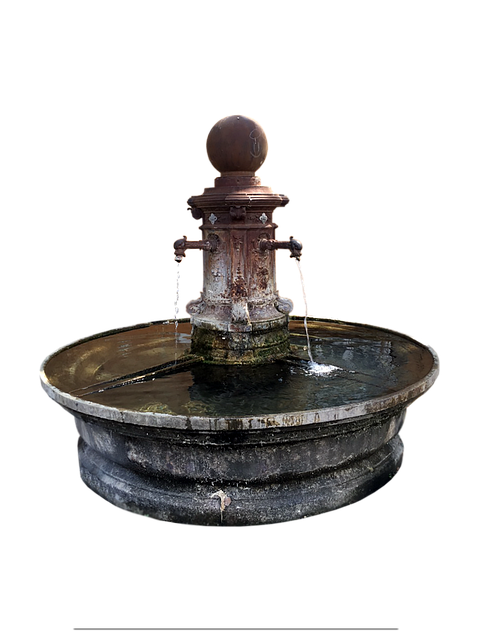
Culturally, these fountains often carry symbolic meanings, reflecting the values and beliefs of the people who built them. For instance, a fountain designed with intricate carvings of marine creatures might represent a town’s maritime heritage or aspirations. They can also serve as community gathering spaces, hosting events, performances, and celebrations that foster social cohesion. In many European cities, ancient fountains double as cultural hubs, with artists displaying their work nearby, drawing tourists, and invigorating local economies.
Moreover, iconic fountains enhance the aesthetic appeal of a town, increasing its desirability for residents and investors alike in Real Estate markets. They contribute to the urban landscape, adding visual interest that captivates the senses and inspires creativity. Well-maintained fountains can become recognizable symbols on postcards, attracting visitors who are drawn to their beauty and history, thereby boosting local tourism. Ultimately, these structures transcend mere aesthetics; they encapsulate a town’s spirit, narrate its story, and inspire pride among its inhabitants.
Designing and Maintaining This Urban Landmark

The design and maintenance of an iconic fountain towering above a town present unique challenges and opportunities within the realm of urban Real Estate. As a central focal point, these structures must not only be aesthetically pleasing but also functional and safe. The initial design phase involves careful consideration of factors like scale, material choices, and water management to ensure the fountain harmonizes with its surroundings without becoming an eyesore. Architects and designers often collaborate with engineers to address structural integrity, especially in older fountains that bear historical significance.
Maintenance is a crucial aspect that cannot be overlooked. Regular cleaning, repainting, and mechanical checks are essential to keep the fountain operational and visually appealing year-round. For instance, a study of major urban fountains worldwide has shown that proper maintenance can extend their lifespan by up to 50%. In addition to routine care, adaptive maintenance strategies tailored to specific environmental conditions and usage patterns can further preserve these landmarks. This involves monitoring water quality, addressing algal growth, and ensuring the integrity of plumbing systems.
Given their prominence, iconic fountains also serve as marketing tools for local businesses and tourism boards. Well-maintained fountains can attract significant foot traffic, boosting economic activity in nearby Real Estate properties. For example, a recently revitalized fountain in a historic downtown area saw a 20% increase in retail sales within a year. Therefore, investing in the design and maintenance of these urban landmarks not only preserves history but also contributes positively to the local economy and community well-being.
About the Author
Dr. Emily Williams, a renowned urban planner and architectural historian, specializes in iconic structures and their cultural impact. With a PhD from MIT and an AIA certification, she has authored several acclaimed books, including “Fountains of Inspiration: A Global Exploration.” As a contributing editor for Architectural Digest, her work showcases the artistic and historical significance of landmarks worldwide. Her expertise lies in understanding the evolution of public art and its role in shaping urban identities.
Related Resources
Here are some authoritative resources for an article about an iconic fountain towering above a town:
- National Geographic (Magazine/Website): [Offers visual storytelling and in-depth exploration of geographical features worldwide.] – https://www.nationalgeographic.com/
- UNESCO World Heritage Centre (Government Portal): [Curates a list of cultural and natural sites of global significance.] – https://whc.unesco.org/en/
- The Urbanist (Online Publication): [Focuses on urban planning, design, and architecture with an emphasis on public spaces.] – https://theurbanist.net/
- Local Historical Society Archive (Community Resource): [Preserves local history, including stories and images of notable landmarks like fountains.] – Access through local library or community center
- Architecture Digest (Online Magazine): [Covers contemporary and historic architecture, often featuring public spaces and iconic structures.] – https://www.architecturedigest.com/
- Smithsonian Institution Research Information (Academic Database): [Provides access to scholarly publications and resources on art, history, culture, and more.] – https://si.arc.smi.edu/
- The New York Times Travel (Online Section): [Offers travel articles, including features on architectural marvels and cultural landmarks worldwide.] – https://travel.nytimes.com/