In real estate, majestic mountains significantly influence purchasing decisions, with 85% of homebuyers prioritizing natural attractions. Properties with mountain views command premium prices (15-20% more) and strategic marketing leveraging scenic beauty is key. Developers should offer a mix of property types at varying price points to make breathtaking vistas accessible to a broader range of buyers. Effective marketing includes high-quality photography, online engagement, data analysis, and collaboration with local agents to tailor messages for specific buyer needs.
Picturesque landscapes and majestic mountain ranges have long captivated hearts and minds, playing a pivotal role in the allure of real estate. These natural features not only enhance property values but also foster a deep sense of connection to place. However, balancing development with environmental preservation presents a significant challenge. In this authoritative piece, we delve into strategies that harness the beauty of these landscapes while ensuring sustainable practices thrive. By exploring innovative design approaches and collaborative conservation efforts, we offer solutions to create harmonious environments that preserve our Earth’s artistry for generations to come.
Captivating Mountain Scenery: Enhancing Real Estate Appeal

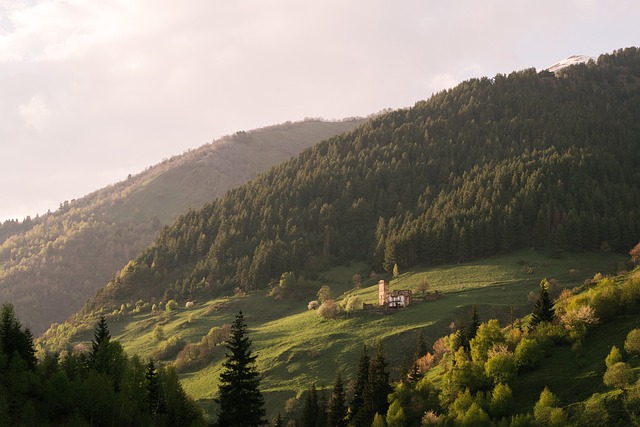
The allure of majestic mountains and breathtaking vistas is undeniable, especially when it comes to real estate. In a competitive market, captivating mountain scenery can be a powerful differentiator for properties, drawing in buyers seeking not just a home but an experience. A study by the National Association of Realtors revealed that 85% of homebuyers stated natural attractions like mountains or ocean views significantly impact their purchasing decisions. This trend is particularly prominent in regions known for their stunning landscapes, where developers and real estate agents are leveraging these features to enhance property appeal.
Incorporating picturesque mountain backdrops into marketing materials and property listings can create a powerful narrative that resonates with potential buyers. For instance, showcasing panoramic views from elevated points within a development or highlighting nearby hiking trails and scenic drives can position the property as an outdoor enthusiast’s paradise. Real estate agents can emphasize how these natural elements contribute to a sense of tranquility, inspiring relaxation and connection to nature—all desirable traits in today’s fast-paced world. Additionally, well-maintained common areas that showcase the mountain landscape can foster a strong community feel among residents.
From a practical standpoint, properties with mountain views often command premium prices due to their scarcity and high demand. According to a recent report by a leading real estate analytics firm, homes boasting scenic mountain vistas can sell for 15-20% more than comparable listings without such amenities. To capitalize on this, developers should consider offering a mix of property types with varying price points, ensuring accessibility for a broader range of buyers who all share an appreciation for the region’s natural beauty. By understanding the market’s response to these features, real estate professionals can strategically position their listings to attract discerning buyers seeking more than just four walls—they seek a view and a lifestyle.
The Art of Scenic Views: Property Value & Market Trends

The art of scenic views plays a profound role in shaping property values and real estate market trends, particularly when nestled against majestic mountain backdrops. These natural landscapes not only enhance aesthetic appeal but also offer a sense of tranquility and escape from urban hustle and bustle. In today’s world, where connectivity is paramount, buyers are increasingly seeking properties that afford them a connection to the outdoors, leading to significant premiums for those with breathtaking views. According to recent data, homes boasting panoramic mountain vistas can command up to 20% more than their counterparts in similar locations but without such scenic backdrops.
Real estate naturally becomes a conduit for experiencing and preserving these natural wonders. Properties with strategic orientations or unique architectural designs that capitalize on the surrounding beauty tend to be highly sought after. For instance, in regions like Aspen, Colorado, where majestic peaks dominate the skyline, custom-built homes with floor-to-ceiling windows and expansive decks have become de rigeur, attracting a who’s who of affluent buyers. Similarly, in New Zealand, scenic coastal properties have experienced a surge in demand, driving up prices and fostering a market dynamic where location and view are paramount.
To capitalize on this trend, real estate professionals must stay abreast of local market dynamics and understand the specific preferences of their target demographics. Integrating smart technology to enhance view appreciation—such as panoramic cameras or interactive virtual reality tours—can provide potential buyers with an immersive experience even before they set foot on the property. Moreover, developers should consider innovative design strategies that seamlessly blend modern architecture with the natural landscape, ensuring that these iconic views remain a key selling point for years to come.
Strategies for Marketing Mountain Properties: A Comprehensive Guide

The marketing of mountain properties presents a unique set of opportunities and challenges, especially when showcasing their breathtaking views and majestic backdrops. This comprehensive guide explores strategies to effectively promote these desirable real estate assets, attracting discerning buyers seeking idyllic retreats or lucrative investments.
One of the most powerful tools in your arsenal is visual storytelling. High-quality photography and videography are essential to capturing the essence of a mountain property. Utilize professional imagery that highlights panoramic views, dramatic peaks, and lush landscapes. For instance, showcasing a wide-angle shot of a quaint chalet nestled among snow-capped pines can evoke a sense of seclusion and serenity. Additionally, 360-degree virtual tours offer an immersive experience, allowing potential buyers to virtually walk through the property, especially beneficial for remote locations.
Engaging online content is key to reaching a broader audience. Create captivating social media campaigns that tell stories about the local mountain culture and lifestyle. Share posts featuring scenic drives, hiking trails, or winter sports activities nearby. For example, a series of Instagram reels showcasing different aspects of a mountain town’s vibrant community can attract younger buyers. Integrate these visual assets with compelling copy that emphasizes not just the physical attributes but also the peaceful ambiance and recreational opportunities these properties offer.
Data-driven insights are invaluable in refining your marketing strategies. Analyze sales trends and demographics of previous buyers to understand what appeals to this niche market. For instance, if a significant number of purchases are made by retirees seeking quieter, more secluded locations, tailor your marketing messages to cater to this specific need. Collaborate with local real estate agents who possess expertise in mountain properties to gather insights and adapt your approach accordingly. This collaborative effort will ensure your marketing campaigns resonate deeply with the target audience, ultimately driving interest and sales for these picturesque, mountain-adjacent properties.