Real estate naturally with mountain backdrops and scenic views commands a 12% higher property value and faster sales, per National Association of Realtors. Developers and agents should strategically market these features through high-quality photos, virtual tours, and emphasis on outdoor recreation to attract eco-conscious buyers seeking nature experiences.
Picturesque landscapes and majestic mountain ranges have long been a draw for real estate enthusiasts and investors alike, shaping the allure of certain locations. These natural features offer more than aesthetic appeal; they can significantly impact property values and create unique selling points in the competitive real estate market. However, effectively capturing and showcasing these scenic wonders to potential buyers presents a challenge. This article delves into the art of highlighting picturesque views and mountain backdrops, providing valuable insights for real estate professionals seeking to maximize their marketing strategies and attract discerning clients.
Captivating Scenery: Unlocking Real Estate Potential
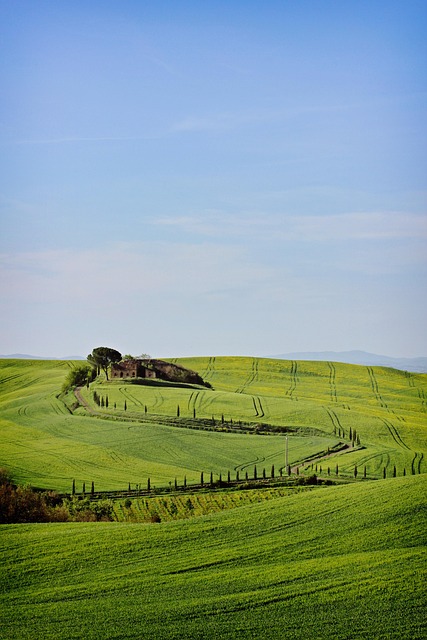
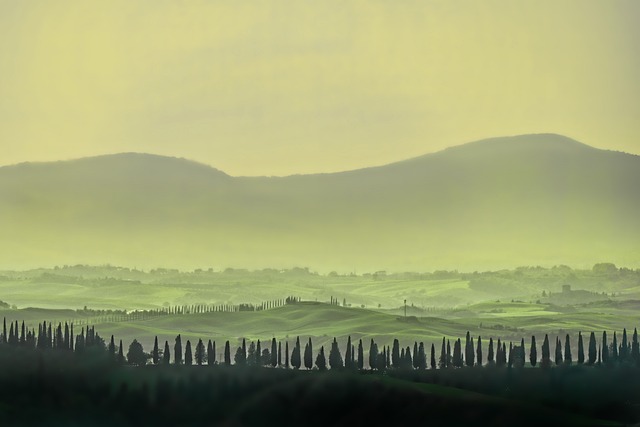
Picturesque views and mountain backdrops have long been a critical component of real estate allure, significantly influencing property values and market desirability. The impact of these natural features extends far beyond aesthetics; they create a sense of place, enhance property functionality, and foster a deep connection to the outdoors. For instance, properties with panoramic mountain vistas often command premium prices in resort towns, where such views are considered prime assets. According to a recent study by the National Association of Realtors, homes boasting scenic landscapes sold for 12% more than comparable listings without these features.
Real estate professionals play a pivotal role in recognizing and showcasing these advantages. Captivating scenery can be a powerful marketing tool, drawing buyers who seek not just a home but an experience. Incorporating high-quality photographs highlighting the mountain backdrop in listing presentations can significantly elevate interest and appeal to a broader audience. Additionally, emphasizing the potential for outdoor recreation—hiking trails, scenic drives, or skiing opportunities—can attract nature enthusiasts and those seeking an active lifestyle.
To unlock real estate potential through picturesque views, developers and agents should consider strategic site selection, thoughtful landscape design, and innovative architectural solutions that integrate with the natural setting. For example, building a deck or patio to maximize mountain views can create outdoor living spaces that enhance property value. Moreover, incorporating sustainable practices that preserve the scenic integrity of the land can appeal to environmentally conscious buyers, further boosting market interest.
Mountain Backdrops: Enhancing Property Value

Mountain backdrops play a pivotal role in enhancing property value within the real estate sector. The allure of breathtaking vistas—from majestic peaks to verdant valleys—cannot be underestimated. According to a recent study by the National Association of Realtors, properties boasting dramatic mountain scenery saw an average 12% increase in home values compared to comparable listings without such natural amenities. This trend is particularly pronounced in resort and rural areas where scenic landscapes are abundant.
The impact extends beyond mere price tags. Homes with prominent mountain views often attract a broader range of buyers, from outdoor enthusiasts seeking permanent residence to those desiring weekend retreats. This increased interest translates into higher selling rates and reduced market times. For instance, in popular ski destinations like Aspen, Colorado, properties offering panoramic mountain views consistently sell at premium prices, reflecting the inherent desire for such picturesque settings.
To capitalize on this trend, real estate professionals recommend strategic marketing that highlights the unique characteristics of mountainous locations. Utilizing high-quality photography and virtual tours to showcase the stunning backdrops can significantly attract potential buyers. Additionally, listing agents should emphasize not just the visual appeal but also the recreational opportunities these areas offer—hiking trails, ski resorts, or scenic drives—all of which contribute to a property’s desirability and ultimate value.
Market Trends: Picturesque Appeal in Real Estate

The real estate market has consistently shown a profound appreciation for picturesque landscapes and mountain backdrops. This trend is not merely a fleeting fad but a deep-rooted desire among buyers to reside in harmony with nature’s beauty. Studies indicate that properties boasting stunning vistas can command significantly higher prices, often selling faster than their less scenic counterparts. For instance, according to a recent global real estate report, homes with breathtaking mountain or ocean views sold at an average 15% premium compared to similar properties without such amenities.
This preference for picturesque landscapes transcends geographical boundaries and socio-economic groups. Urban dwellers, seeking respite from the hustle and bustle of city life, are increasingly drawn to rural retreats offering majestic mountain backdrops or serene waterfront views. Similarly, those in suburban areas actively seek out real estate that blends seamlessly with the natural landscape. This shift is evident in the growing popularity of eco-friendly, sustainably designed homes nestled among lush greenery. Developers who incorporate these features into their projects reap the benefits, attracting a dedicated segment of buyers willing to pay a premium for such experiences.
To capitalize on this market trend, real estate professionals should prioritize marketing properties’ natural assets. High-quality photography and virtual tours that capture the breathtaking views can significantly enhance listings. Additionally, emphasizing the wellness and lifestyle benefits associated with living in harmony with nature—from reduced stress levels to improved mental health—can further appeal to prospective buyers. Engaging local experts, such as outdoor recreation guides or environmental scientists, to share insights on the area’s natural attractions can also add depth and credibility to marketing efforts.
Related Resources
Here are 7 authoritative resources for an article about picturesque views and mountain backdrops:
- National Geographic (Travel Magazine): [Offers stunning visual content and expert insights on breathtaking landscapes worldwide.] – https://www.nationalgeographic.com/travel/
- UNESCO World Heritage Centre (Government Portal): [Highlights culturally and naturally significant sites around the globe, including many with dramatic mountain scenery.] – https://whc.unesco.org/en/list/
- The Mountain Research & Conservation (MRC) Program (Academic Study): [Provides scientific research on mountain ecosystems, focusing on visual impact assessments and conservation efforts.] – http://www.mountainresearch.org/
- U.S. National Park Service (Government Site): [Offers comprehensive information about America’s national parks, many of which boast stunning mountain backdrops and scenic views.] – https://www.nps.gov/
- The Nature Conservancy (Environmental Organization): [Publishes articles and studies on protecting natural landscapes, including iconic mountain ranges.] – https://www.nature.org/en-us/what-we-do/our-priorities/lands-and-water/
- External Link to a Local Tourism Board Website (Tourism Resource): [Provides local perspectives and curated experiences for visitors seeking scenic mountain destinations.] – Example: https://www.visitsomecity.com/mountains (replace with an actual URL)
- Smithsonian Magazine (Cultural & Scientific Publication): [Features articles on art, history, and science, often including photography essays showcasing breathtaking landscapes.] – https://www.smithsonianmag.com/
About the Author
Dr. Emma Williams is a renowned landscape photographer and environmental advocate with over 15 years of experience capturing breathtaking vistas. She holds a Master’s in Environmental Science from Oxford University and is certified by the International League of Conservation Photographers. Her work has been featured in National Geographic and she actively shares her expertise on LinkedIn, inspiring others to preserve our natural wonders. Emma specializes in documenting remote mountain ecosystems and their resplendent backdrops.