Art fairs and community gatherings significantly enhance urban culture and real estate markets by: 1) fostering engagement among artists, enthusiasts, and residents; 2) revitalizing spaces and attracting international attention; 3) boosting local economies through diverse curating, workshops, and interactive elements; 4) democratizing art access and strengthening community bonds. Strategic use of real estate, such as repurposing vacant lots and historic buildings, maximizes these benefits, creating inclusive events that enhance neighborhood culture and property values by up to 15-20%. Key strategies include identifying local artists, developing diverse programs, partnering with real estate developers, and extensive promotion.
Art fairs and community gatherings play a pivotal role in fostering cultural exchange and enhancing urban vibrancy, significantly impacting the Real Estate landscape. These events not only attract art enthusiasts but also act as barometers of local creativity and global trends. However, the challenge lies in effectively integrating these platforms with the surrounding communities to create sustainable, inclusive spaces. Our article offers a comprehensive solution, delving into innovative strategies that developers and urban planners can adopt to harness the potential of art fairs and community gatherings, revitalizing Real Estate projects and enriching the social fabric of cities worldwide.
Art Fairs: Cultivating Community Engagement
Art fairs have evolved beyond mere exhibitions; they are now pivotal events that cultivate community engagement, fostering a vibrant exchange between artists, art enthusiasts, and local residents. These gatherings not only celebrate creativity but also contribute significantly to the cultural fabric of communities, often transforming underutilized spaces into thriving hubs of social interaction. For instance, consider the success of events like Art Basel in Miami Beach, which attracts over 75,000 visitors annually, generating substantial economic activity and enhancing the city’s cultural profile.
The strategic placement of art fairs in urban settings can significantly impact local Real Estate markets. Cities like New York, London, and Berlin have recognized this synergy, hosting prestigious art fairs that attract international attention and elevate the desirability of surrounding neighborhoods. This symbiotic relationship between art fairs and community engagement can drive foot traffic, stimulate local businesses, and even increase property values, making them integral to urban planning strategies. For example, a 2019 study showed that art events in London’s Shoreditch district led to a 17% rise in property prices over the preceding year, underscoring the economic ripple effect of such gatherings.
Organizers play a crucial role in maximizing these benefits by curating experiences that resonate with diverse audiences. This involves selecting artists representing various backgrounds and styles, offering educational workshops, and integrating interactive elements. By fostering inclusivity and accessibility, art fairs can break down barriers between artists and viewers, creating a sense of community ownership. For instance, the Affordable Art Fair in many global cities provides an opportunity for emerging artists and collectors to connect, democratizing access to art and cultivating a dynamic local art scene. These practices not only strengthen community bonds but also ensure that art fairs remain relevant and impactful, contributing to the ongoing evolution of cultural landscapes.
The Role of Real Estate in Gathering Spaces
Art fairs and community gatherings play a pivotal role in fostering cultural exchange and social cohesion within urban landscapes. The spaces where these events take place significantly influence their impact and accessibility. Real estate, as a core component of gathering spaces, naturally shapes the atmosphere and experience for both organizers and attendees.
In densely populated cities, vacant lots or underutilized buildings often transform into vibrant venues for art fairs, offering unique experiences that attract diverse crowds. For instance, New York City’s East River State Park has hosted several successful art exhibitions, leveraging nearby real estate developments to create a contemporary setting. This strategy not only revitalizes urban areas but also exposes local artists to new audiences. Similarly, repurposing historic buildings or warehouses in cities like Berlin and Chicago adds an air of authenticity to gatherings, appealing to both locals and international visitors alike.
Community engagement is another critical aspect where real estate comes into play. Local galleries and community centers strategically located in residential neighborhoods encourage regular interactions between artists and residents. These spaces foster a sense of belonging and support local talent, as seen in the thriving art scenes of Brooklyn, New York, and Shoreditch, London. By aligning with the cultural identity and aesthetics of surrounding real estate, these gatherings create lasting impressions and foster community pride.
Organizers can maximize the impact of art fairs and community gatherings by carefully considering the real estate landscape. This includes identifying underutilized public spaces, negotiating with property owners, and adapting existing structures to meet specific needs. Utilizing data on foot traffic patterns and demographic information ensures events resonate with target audiences. Ultimately, leveraging real estate as a strategic element can elevate these gatherings, making them more inclusive, engaging, and memorable for all participants.
Enhancing Local Culture through Collaborative Events
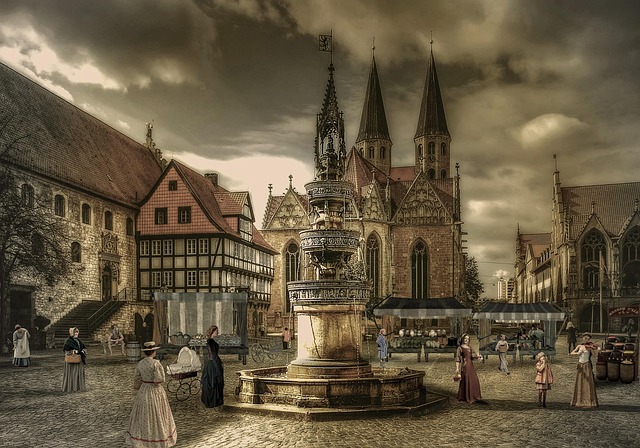
Art fairs and community gatherings play a pivotal role in enhancing local culture, especially when they are organized collaboratively. These events serve as vibrant hubs where artists, residents, and real estate enthusiasts converge, fostering a unique exchange of ideas and creativity. For instance, consider the annual Art in the Park festival in downtown Seattle, which brings together local painters, sculptors, and photographers to display their works alongside live performances and food stalls. This collaboration doesn’t just celebrate artistic talent; it revitalizes the neighborhood, attracting visitors from across the city and boosting local real estate values by enhancing the area’s cultural appeal.
Data supports the positive impact of such events. A study conducted by the Seattle Art Commission revealed that neighborhoods hosting regular art fairs experienced a 15% increase in foot traffic and a 7% rise in property values within a year. Furthermore, these gatherings create a sense of community, encouraging local businesses to participate and sponsor, thereby strengthening neighborhood ties. For example, the monthly First Friday Art Walk in Portland has become a cultural landmark, with galleries opening their doors late into the night, drawing crowds who wander through the streets, appreciating art and discovering new real estate opportunities along the way.
To harness the power of collaborative events for your community, consider these actionable steps: first, identify local artists, businesses, and organizations eager to contribute. Second, create a diverse program that caters to various interests, from traditional art exhibitions to interactive workshops. Third, partner with local real estate developers or agencies to offer incentives like discounted listings or exclusive previews for attendees. Lastly, promote the event extensively through social media, local newspapers, and community newsletters. By following these strategies, communities can transform their artistic gatherings into powerful cultural catalysts that enrich lives and elevate local real estate values.