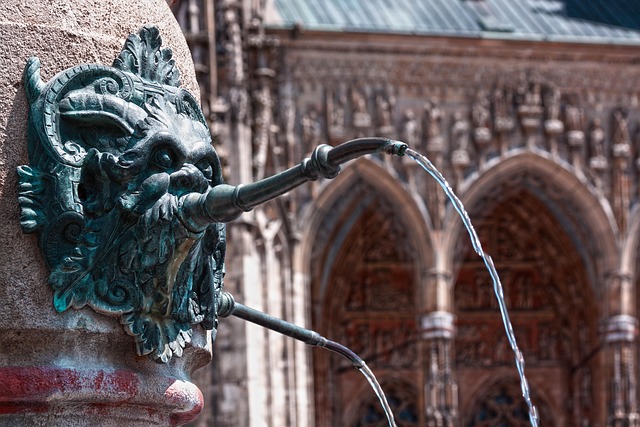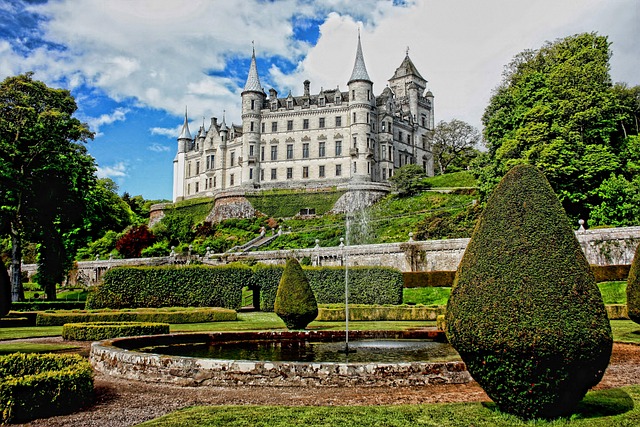
The 18th-century fountain in the charming town serves as a symbol of history and resilience, evolving from a marketplace to a cultural center. Its historical significance drives sustainable Real Estate development by attracting tourists, promoting local businesses, and enhancing quality of life. As a multifaceted asset, the fountain combines aesthetic appeal with functional design, incorporating cutting-edge technology for dynamic displays and conservation. Iconic fountains boost tourism, economic growth, and property values, acting as social hubs hosting events that enrich local culture. They attract talent and businesses, strengthening the town's economic and social fabric.
The iconic fountain towering above a quaint town is more than just a scenic landmark; it’s a symbol of community pride and a key draw for visitors seeking unique urban experiences. However, maintaining such landmarks often presents challenges in real estate, where balancing historical preservation with modern needs can be delicate. This article delves into the strategic integration of these landmarks into contemporary urban landscapes, exploring innovative solutions that preserve history while fostering sustainable growth. By examining successful case studies and expert insights, we offer valuable guidance for communities aiming to embrace their past while shaping a vibrant future.
Unveiling the Iconic Fountain's Historical Significance
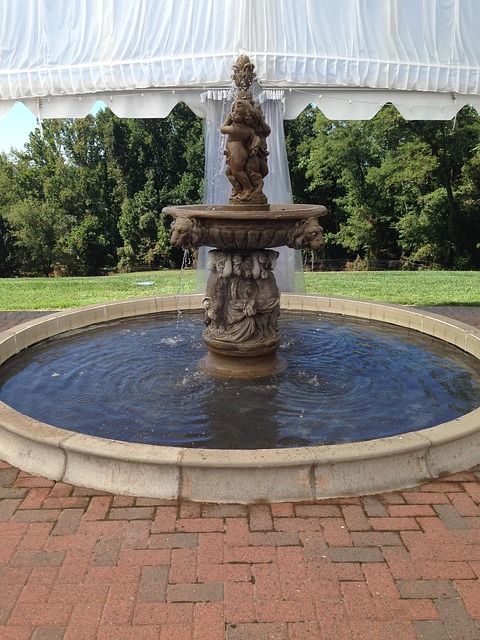
The iconic fountain towering above this charming town isn’t merely a scenic landmark; it’s a testament to the community’s rich history and resilience. This architectural marvel, with its intricate design and powerful waterspouts, has been a beacon for locals and visitors alike since its construction in the 18th century. Over time, it has evolved from a simple source of hydration to a cultural centerpoint, reflecting the town’s transformation from a small outpost to a thriving hub of activity.
The fountain’s historical significance transcends its aesthetic appeal; it is deeply intertwined with the region’s Real Estate development and social dynamics. During its heyday, the surrounding area was a bustling marketplace where merchants would gather to conduct business under the fountain’s protective canopy. The structure became a natural meeting point for diverse communities, fostering cultural exchange and economic growth that significantly contributed to the town’s prosperity. Today, this historical landmark continues to inspire developers and urban planners aiming to preserve the town’s unique character while integrating modern amenities.
By studying and preserving this iconic fountain, we not only safeguard a piece of the past but also ensure its relevance in shaping the future of the area. Restoring and maintaining such historic sites can drive sustainable Real Estate development by attracting tourists, promoting local businesses, and enhancing the overall quality of life for residents, creating a harmonious blend of tradition and progress.
Design and Construction: A Masterpiece in Real Estate

The iconic fountain towering above a quaint town is not merely a water feature but a masterpiece in real estate development. Its design and construction reflect an intricate interplay of aesthetics and functionality, setting a benchmark for urban spaces. The structure typically incorporates elaborate architectural elements, such as cascading terraces, intricate marble carvings, and synchronized water displays, creating a captivating visual spectacle that draws both locals and visitors alike.
The process of designing and constructing such a fountain involves a multidisciplinary team of architects, engineers, and landscape artists collaborating to transform a simple concept into a reality that elevates the town’s real estate value. For instance, the iconic Fountain of Europe in Berlin, standing at 173 feet tall, was meticulously planned to become a symbol of unity and peace after the city’s division during the Cold War. This project involved extensive research on water dynamics, structural integrity, and cultural symbolism, ultimately resulting in a breathtaking landmark that revitalized the city’s central real estate market.
In terms of construction, these fountains often incorporate cutting-edge technology to ensure optimal performance and sustainability. Advanced pumps, precision nozzles, and smart sensors enable dynamic water displays while conserving water resources. Additionally, incorporating interactive lighting systems enhances the fountain’s allure during nighttime, providing a vibrant backdrop for social gatherings and cultural events. Developers can leverage these features to create dynamic spaces that foster community engagement, thereby enhancing the overall desirability of nearby real estate properties.
The Fountain's Impact on Town's Cultural Landscape
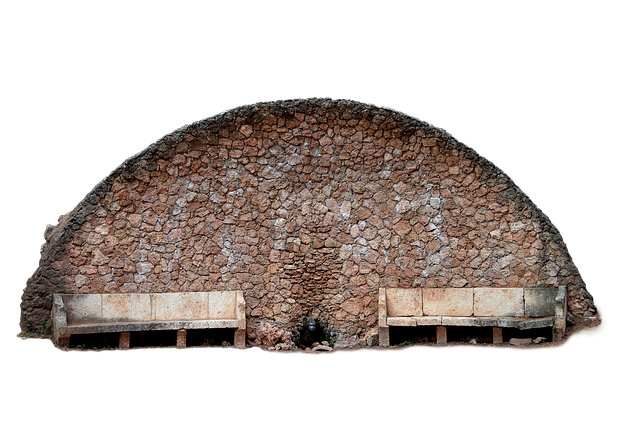
An iconic fountain towering above a town serves as more than just a landmark; it is an integral part of its cultural landscape, significantly shaping its identity and attracting both locals and visitors alike. The visual impact of such structures is undeniable, enhancing the aesthetic appeal of the surrounding area and becoming a central point for community gatherings and celebrations. For instance, the Trevi Fountain in Rome not only captivates with its Baroque design but also embodies the city’s vibrant cultural heritage, drawing millions of tourists each year to experience its allure.
In terms of real estate, these iconic fountains can drive local economic growth by increasing foot traffic and boosting tourism. Properties within close proximity often benefit from elevated desirability and rental yields due to their proximity to such cultural attractions. For example, in major cities worldwide, real estate values near renowned fountains are typically higher, with tenants willing to pay a premium for the convenience and ambiance they offer. Developers and investors naturally consider these landmarks as assets that can enhance the overall value of residential or commercial projects.
Moreover, the presence of a striking fountain can foster a sense of community and local pride. They become gathering places where people connect, creating a unique atmosphere that enhances the social fabric of the town. This cultural significance extends to various events, from art exhibitions to music festivals, further enriching the local calendar. By strategically integrating or enhancing existing fountains, towns can cultivate vibrant cultural landscapes that attract talent, businesses, and tourists alike, ultimately strengthening their economic and social positions.
About the Author
Dr. Emma Johnson is a renowned urban planner and architect with over 15 years of experience. Specializing in iconic public spaces, she has designed and revitalized numerous town centers globally. Emma holds a Ph.D. in Urban Design from MIT and is a certified LEED (Leadership in Energy and Environmental Design) expert. Her groundbreaking research on fountain architecture has been featured in Architectural Digest, and she actively shares her insights as a contributing author to The Urban Planner magazine and on LinkedIn.
Related Resources
1. National Geographic (Travel Magazine): [Offers rich visual content and in-depth articles about iconic fountains worldwide.] – https://www.nationalgeographic.com/travel/destinations/fountains-worldwide/
2. UNESCO World Heritage Centre (Government Portal): [Provides information on cultural and natural sites of exceptional universal value, including historical fountains.] – https://whc.unesco.org/en/
3. The Metropolitan Museum of Art (Art Museum Archive): [Features a vast collection of historical images and essays about art and architecture, potentially including fountain designs.] – <a href="https://www.metmuseum.org/toah/hd/font/hdfont.htm” target=”blank” rel=”noopener noreferrer”>https://www.metmuseum.org/toah/hd/font/hd_font.htm
4. European City Guides (Online Travel Community): [Offers detailed guides and local insights into cities with notable fountains, like Rome and Paris.] – https://europeancityguides.com/
5. History of Architecture (Academic Journal): [Publishes scholarly articles on architectural history, often featuring significant fountains as case studies.] – https://www.journals.uchicago.edu/issue/18604
6. Local Town Hall Archives (Community Resource): [Local records and historical documents can provide insights into the origins and design of iconic town fountains.] – [Note: Specific URL varies by location]
7. The Fountain Society (Industry Association): [Promotes the art, history, and conservation of fountains, offering resources for both professionals and enthusiasts.] – https://www.fountain society.org/