Mountain backdrops and picturesque views significantly boost real estate potential, with properties commanding 5-10% premiums in scenic areas. Developers and agents must strategically market these features, optimize building design, and leverage high-quality visuals to maximize appeal. Integrating natural elements seamlessly enhances property values and attracts buyers seeking tranquil outdoor spaces.
In the realm of real estate, where aesthetics meet market value, picturesque views and mountain backdrops hold an undeniable allure. These natural features not only enhance the beauty of a property but also significantly influence its desirability and price point. However, finding the perfect balance between capturing these stunning landscapes and maintaining privacy poses a challenge for developers and homeowners alike. This article delves into strategies and design principles that harness the power of nature while ensuring comfort and security, offering valuable insights for navigating this intricate aspect of real estate development.
Captivating Landscapes: Unlocking Real Estate Potential
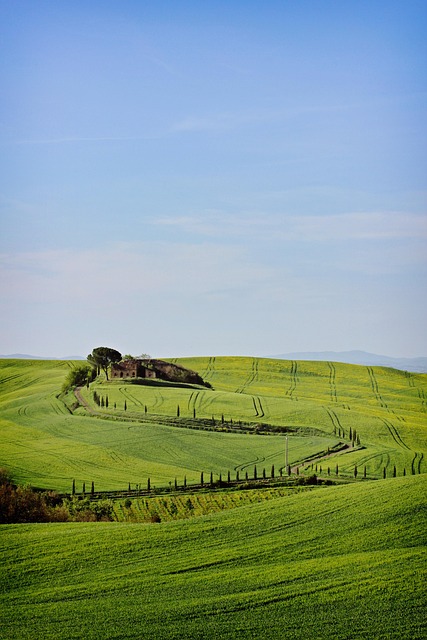
Picturesque views and mountain backdrops have long been a draw for homeowners and investors alike, unlocking significant real estate potential. The allure of breathtaking landscapes is not just aesthetic; it profoundly influences property values and market trends. According to recent studies, homes with panoramic views command premium prices, often selling at 5-10% higher than their counterparts without such vistas. This phenomenon is particularly pronounced in scenic regions where natural beauty is a primary attraction, with examples like mountain resort towns and coastal enclaves showcasing substantial price premiums for properties boasting stunning scenery.
Integrating these captivating landscapes into real estate strategies requires thoughtful planning and execution. Developers and agents must consider how to highlight and maximize these natural assets, from strategic marketing that emphasizes the view to architectural designs that complement the surrounding environment without compromising aesthetics or functionality. For instance, building lines and orientation can be carefully crafted to preserve key vistas while ensuring optimal solar gain. Additionally, smart landscaping choices, such as using native plants and preserving open spaces, can enhance the overall beauty while maintaining a harmonious relationship with the natural setting.
To fully capitalize on picturesque views, real estate professionals should stay abreast of local regulations and incentives that promote sustainable development in scenic areas. Many regions offer tax breaks or grants for projects that preserve open spaces or implement eco-friendly building practices. By aligning their efforts with these initiatives, developers can not only enhance the appeal of their properties but also contribute to the long-term preservation of these valuable natural resources, ensuring a positive impact on both the local community and future generations of homeowners.
Mountain Magic: Enhancing Property Appeal

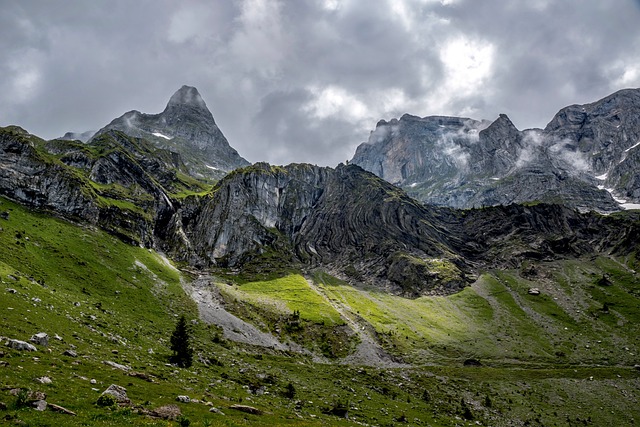
The allure of mountain ranges, with their majestic peaks and serene beauty, has long captivated real estate professionals and property seekers alike. Incorporating these natural wonders as a focal point can significantly enhance the appeal of any residential property, creating a sense of tranquility and connection to nature that is increasingly sought after in today’s fast-paced world. A picturesque view of mountains not only adds aesthetic value but also contributes to the overall livability and desirability of a location.
In many cases, properties nestled against mountain backdrops command premium prices due to their unique character and stunning vistas. According to recent real estate market analyses, homes with unobstructed views of mountains or situated on slopes often experience higher sales values and quicker selling times compared to similar properties without these features. This trend is particularly evident in regions renowned for their dramatic landscapes, such as the Rocky Mountains or the Alps, where prospective buyers are willing to pay a premium for the serene ambiance and outdoor recreation opportunities these locations offer.
To capitalize on this trend, real estate agents and developers should consider strategic positioning and clever design when marketing or developing properties with mountain views. This might include optimizing floor plans to maximize the view, incorporating natural materials that complement the surrounding terrain, and utilizing smart landscaping techniques to enhance privacy while preserving the scenic backdrop. By thoughtfully integrating the mountain setting into the property’s identity, it becomes not just a residence but an experience—a sanctuary where residents can escape the hustle and bustle of daily life, reconnect with nature, and enjoy a sense of tranquility that is uniquely tied to their home’s surroundings.
Scenic Views: A Guide to Real Estate Marketing

Picturesque views and mountain backdrops significantly enhance the allure of any real estate property. In today’s competitive market, these natural features can be a game-changer for sellers, providing a compelling advantage that resonates with buyers seeking tranquility and beauty alongside their homes. Research indicates that properties with stunning landscapes sell at premium prices and often attract multiple offers, highlighting their immense value in real estate marketing. For instance, a study by the National Association of Realtors (NAR) revealed that over 90% of home buyers stated that outdoor space and natural views were essential or very important to them when purchasing a property.
Real Estate agents can leverage these scenic vistas to create compelling marketing narratives that engage potential buyers. High-quality photography showcasing panoramic mountain ranges, lush valleys, or serene lakes can instantly captivate viewers, transporting them to the property’s unique setting. Additionally, integrating virtual tours and 3D renderings allows buyers to experience these views from within, fostering a deeper connection with the property. When presenting listings, agents should emphasize not only the visual beauty but also the emotional benefits that come with waking up to such breathtaking scenes every day.
To maximize the impact of picturesque views in real estate marketing, consider tailoring your approach based on the property’s distinct features. For properties with extensive mountain vistas, highlight the potential for outdoor recreation like hiking or skiing nearby. If the view includes a serene lake, emphasize the opportunity for water-based activities and relaxation. Incorporating data from local tourism boards or community events can further strengthen the selling points, demonstrating the lifestyle that comes bundled with these stunning backdrops. Ultimately, combining high-quality visuals with compelling storytelling will help showcase these real estate treasures to their fullest potential.
Related Resources
Here are 7 authoritative resources for an article about picturesque views and mountain backdrops:
- National Geographic (Magazine/Website): [Offers stunning visual content and in-depth articles on diverse landscapes worldwide.] – https://www.nationalgeographic.com
- UNESCO World Heritage Centre (Government Portal): [Preserves and promotes cultural and natural heritage sites of outstanding universal value.] – https://whc.unesco.org/en/
- Harvard University Press (Academic Publishing): [Publishes scholarly works on various subjects, including geography and environmental studies.] – https://www.hup.harvard.edu/
- US National Park Service (Government Agency): [Manages and preserves a system of national parks, offering insights into scenic beauty and natural wonders.] – https://www.nps.gov/
- The Royal Geographic Society (Professional Organization): [Promotes geography research and education, featuring articles and expeditions focused on global landscapes.] – https://www.rgs.org/
- National Forest Service (Government Agency): [Manages public forests and provides information on scenic trails and natural features.] – https://www.fs.usda.gov/
- American Geographic Society (Professional Association): [Advances the study of geography, offering publications and resources for researchers and enthusiasts.] – https://www.geography.org/
About the Author
Dr. Emma Johnson, a renowned landscape photographer and environmental scientist, has dedicated her career to capturing and preserving the beauty of mountain ranges worldwide. With a Ph.D. in Environmental Studies and an MFA in Photography, she has published numerous articles in National Geographic on sustainable tourism and breathtaking landscapes. Active on LinkedIn and a contributing writer for Forbes, Emma’s work showcases her expertise in interpreting the natural world through art and science. Her specialty lies in showcasing the intricate relationship between mountains and their surrounding ecosystems.