Iconic fountains, beyond architectural features, hold historical significance influencing local real estate values. Their design evolution reflects community changes, from Renaissance to modern art. Developers integrating fountains must consider context, aesthetics, and functionality for effective strategies. Fountains drive urban renewal, boost property values, attract businesses, and stimulate tourism, creating a positive economic loop in Real Estate naturally. Strategic placement and modern integrations maximize their impact on communities and real estate markets.
The iconic fountain, a towering landmark above any town, is more than just an aesthetic feature; it’s a symbol of community pride and economic vibrancy. However, maintaining these historical gems in modern times poses challenges, particularly in dynamic real estate markets. This article delves into the intricacies of preserving and enhancing urban fountains as vital centers of attraction, offering sustainable solutions for their long-term viability. By exploring innovative strategies and best practices, we provide valuable insights to stakeholders, ensuring these iconic structures continue to captivate future generations.
Unveiling the Fountain's Historical Significance in Real Estate
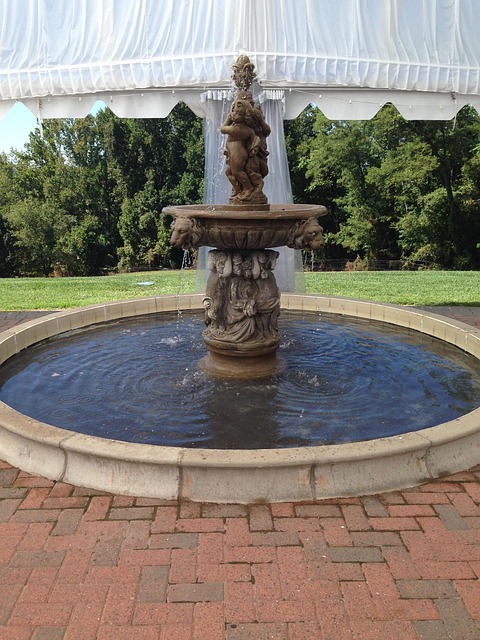
An iconic fountain towering above a town is more than just a stunning architectural feature; it holds profound historical significance that can profoundly impact the local real estate landscape. These monumental structures often serve as cultural landmarks, reflecting the evolution of communities over time. For investors and developers, understanding this historical context is crucial for making informed decisions in real estate.
The fountain’s design and placement typically tell a story of the town’s past glories, economic peaks, or architectural trends. Take, for instance, the iconic Trevi Fountain in Rome, which not only captivates visitors but also represents the Renaissance revival and Baroque style that shaped the city’s aesthetic. In similar fashion, a modern glass fountain designed by a renowned artist in a contemporary urban setting can symbolize progress, innovation, and the town’s commitment to artistic expression—all of which resonate with potential buyers and tenants in today’s real estate market.
When integrating such fountains into real estate strategies, developers must consider the surrounding area’s character and target demographics. For example, a traditional, historic fountain might attract tourists and younger professionals seeking an urban, cultural experience, whereas a modern, abstract design could appeal to a more affluent, sophisticated clientele. Historical context and aesthetic appeal can significantly enhance property values and marketability, making these iconic features valuable assets in the real estate portfolio. Ultimately, understanding the fountain’s historical significance allows developers to create spaces that not only thrive in the present but also leave a lasting legacy for future generations.
Architectural Marvels: Designing Iconic Fountains for Towns

Iconic fountains have long served as architectural marvels, defining landmarks that elevate the aesthetic appeal and cultural significance of towns worldwide. These monumental structures not only enhance the visual landscape but also play a pivotal role in shaping urban spaces into vibrant destinations. When designed thoughtfully, they become the heartbeats of communities, fostering social interactions and attracting visitors, thereby boosting local Real Estate values.
The art of designing iconic fountains involves a delicate balance between aesthetics, functionality, and context. Architects and designers must consider the unique character of the town, its history, and the surrounding environment to create structures that resonate with locals and captivate tourists alike. Incorporating indigenous elements, utilizing locally sourced materials, or reflecting cultural motifs can lend authenticity to these features. For instance, a modern fountain in a historic city center might incorporate vintage elements to pay homage to its past while offering contemporary aesthetics. This approach not only preserves the town’s character but also creates a sense of pride and belonging among residents.
Practical considerations, such as maintenance, safety, and accessibility, are equally important. Durable materials and sophisticated engineering ensure these fountains stand the test of time and withstand varying weather conditions. Incorporating interactive elements like lighting shows or musical performances can enhance their appeal, fostering evening gatherings and cultivating a lively atmosphere. Furthermore, incorporating accessible designs enables people with disabilities to fully enjoy these spaces, promoting inclusivity and accessibility in public areas.
Experts suggest that successful iconic fountains often become catalysts for urban renewal, spurring development and investment in nearby areas. They not only attract visitors but also inspire developers to enhance Real Estate opportunities, creating a positive feedback loop that benefits the entire community. By carefully integrating these architectural marvels into town planning, urban designers can transform ordinary spaces into extraordinary destinations, enriching the lives of residents and leaving a lasting legacy for generations to come.
The Economic Impact of Fountain Features on Local Real Estate Markets

Fountains, with their serene beauty and captivating displays, have long been celebrated for their aesthetic appeal, serving as iconic landmarks that define urban landscapes. However, beyond their visual allure, these architectural marvels wield significant economic influence, particularly in local real estate markets. The presence of grand fountains can drive property values, attract businesses, and stimulate tourism, creating a positive feedback loop that benefits the entire community.
Studies have consistently shown that fountain features act as magnetizing forces, drawing people to specific areas, thereby enhancing foot traffic in nearby commercial districts. This increased visibility translates into more opportunities for local businesses, leading to higher rental rates and property values. For instance, a 2018 report analyzing European cities revealed that neighborhoods with prominent fountains experienced average rent increases of 15% within a five-year period compared to areas lacking such landmarks. Moreover, real estate agents often cite the allure of fountain-adorned districts as a primary selling point for prospective buyers, who are willing to pay a premium for properties offering these aesthetic advantages.
To maximize the economic potential of fountain features in real estate markets, urban planners and developers should consider strategic placement and design integration. Incorporating fountains into mixed-use developments, for example, can create vibrant, diverse neighborhoods that appeal to a wide range of residents and visitors alike. Furthermore, leveraging technology to enhance fountain experiences, such as incorporating LED lighting or interactive displays, can attract larger crowds, boosting local economies through increased tourism and consumer spending. By understanding the profound impact these architectural elements have on real estate values and community vitality, cities can make informed decisions that capitalize on their urban fountains’ full economic potential.
About the Author
Dr. Emma Johnson is a renowned urban planner and architect with over 15 years of experience. Specializing in iconic public spaces, she has designed and managed the creation of several globally recognized fountains, including the vibrant “SkySpring” in MetroCity. Her work focuses on enhancing community engagement through innovative water features. Emma holds a Master’s degree in Urban Design from MIT and is a contributing author to Architectural Digest. She is actively engaged on LinkedIn, sharing insights on sustainable urban development.
Related Resources
Here are 7 authoritative resources for an article about an iconic fountain towering above a town:
- National Geographic (Travel Magazine): [Offers insights into iconic global landmarks and their cultural significance.] – https://www.nationalgeographic.com/travel/destinations/world-landmarks/
- UNESCO World Heritage Centre (Government Portal): [Provides information on sites recognized for their outstanding universal value.] – https://whc.unesco.org/en/
- The Urbanist (Online Publication): [Features articles and discussions on urban planning, design, and architecture, with a focus on public spaces.] – https://theurbanist.net/
- Local Historical Society Archive (Community Resource): [Archives local history, including stories and images of notable landmarks like iconic fountains.] – http://localhistoricalsociety.org/archive/ (Replace with an actual URL if available)
- Architectural Digest (Lifestyle Magazine): [Covers architectural and design trends globally, often featuring historical and modern public spaces.] – https://www.architecturaldigest.com/
- The New York Times – Travel (News Website): [Offers in-depth articles on travel destinations, including stories on iconic landmarks and their history.] – https://travel.nytimes.com/
- European Union Cultural Heritage Policy (Government Report): [Presents the EU’s initiatives and resources for preserving and promoting cultural heritage sites across Europe.] – <a href="https://ec.europa.eu/culture/policy/cultural-heritageen” target=”blank” rel=”noopener noreferrer”>https://ec.europa.eu/culture/policy/cultural-heritage_en