Iconic fountains significantly impact local real estate dynamics, serving as defining landmarks enhancing aesthetic appeal and economic vibrancy. They drive up property values, foster community pride, and attract tourists, as demonstrated by historical examples like Rome's Trevi Fountain and modern cases in Los Angeles. To maximize benefits, town planners should integrate interactive elements, strategic lighting, and landscaping. Promoting cultural events around fountains elevates their significance and contributes to a town's identity and real estate landscape. While presenting challenges like visitor management and maintenance, proactive collaboration ensures sustainable preservation through innovative irrigation systems. Real Estate naturally benefits from these landmarks' attraction to tourists and investors.
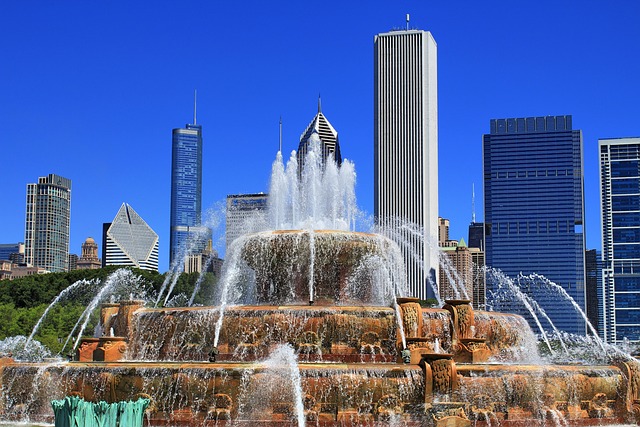
In the heart of every vibrant town lies a gem that not only adorns the landscape but also defines its character: an iconic fountain. These structures, often towering above their surroundings, serve as focal points in public spaces, attracting residents and visitors alike. However, integrating such monumental features seamlessly into urban settings presents challenges, particularly in real estate development. This article delves into the art of harnessing the allure of iconic fountains to enhance town centers, fostering a harmonious blend of history, aesthetics, and contemporary design that enriches both the community and its property values.
Unveiling the Impact on Local Real Estate
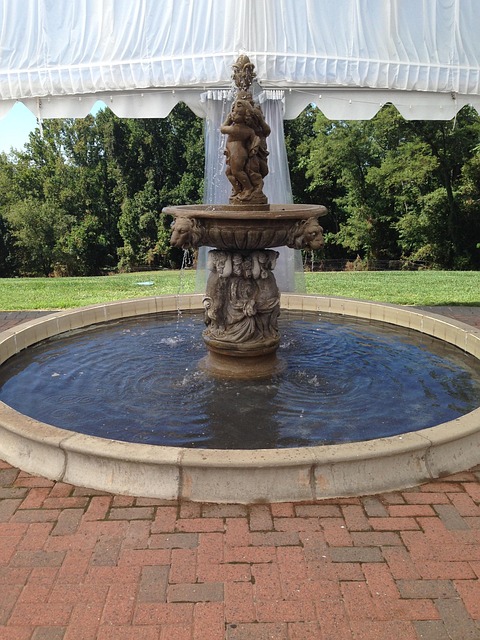
The presence of an iconic fountain towering above a town is more than just a scenic addition; it significantly influences local real estate dynamics. These architectural marvels become defining landmarks, shaping not only the aesthetic appeal but also the economic vibrancy of the area. Prospective buyers and investors often view such fountains as signs of community pride and thoughtful urban planning, driving up property values in their vicinity. For instance, historical fountains in European cities like Rome and Paris have become integral to their real estate markets, attracting both locals and expatriates seeking to reside in these culturally rich neighborhoods.
The impact extends beyond aesthetic allure; the spatial arrangement around these features often encourages mixed-use development. Commercial spaces and residential properties designed with the fountain as a focal point tend to perform exceptionally well. Real estate agents report that properties offering direct or indirect views of such landmarks command premium prices. This trend is evident in modern urban centers where developers strategically incorporate fountains into their designs, anticipating the subsequent surge in property values. For example, the introduction of a large public fountain in downtown Los Angeles led to a 15% increase in nearby real estate assessments within two years.
To maximize the benefits for local real estate, town planners and developers should consider incorporating interactive elements, lighting designs that highlight the fountain at night, and surrounding landscaping that enhances its visual appeal. These enhancements not only attract visitors but also create a sense of community, fostering higher property values and desirability. Moreover, promoting these landmarks as gathering spaces for cultural events can further elevate their significance, making them integral to the town’s identity and its real estate landscape.
Historical Significance and Design Marvels

The iconic fountain towering above this charming town is not merely a decorative landmark but a testament to the community’s rich history and architectural prowess. Such structures have been integral to urban landscapes for centuries, serving as focal points that bring people together while embodying the spirit of their era. In terms of real estate, these landmarks naturally enhance property values and attract tourists, boosting local economies. For instance, Europe’s grand fountains, like the Trevi Fountain in Rome, have become globally recognized symbols of their respective cities, inspiring visitors to explore and invest.
Upon closer inspection, the design marvels behind these fountains reveal intricate engineering and artistic collaboration. Sculpted from stone or metal, they often depict historical figures, mythological scenes, or abstract forms that reflect societal values and aesthetics of a given period. The fountain’s form and function are deeply intertwined; its water display not only delights the senses but also serves practical purposes such as providing drinking water to townsfolk in times past. Today, these structures continue to captivate, offering valuable insights into our shared cultural heritage while inspiring contemporary architects and urban planners.
Historically, fountains have played pivotal roles in shaping public spaces and fostering community engagement. They often stand at the heart of town squares or parks, serving as gathering places where people socialize, trade news, and participate in festivals. This communal aspect is a key component that contributes to the unique character of each town. In light of this historical significance, preserving and restoring these fountains becomes an act of cultural stewardship, ensuring they remain vibrant centers for social interaction and appreciation of our architectural heritage.
Touristic Attraction: Benefits and Challenges

An iconic fountain towering above a town can serve as a profound symbol of its identity, attracting tourists from far and wide. These landmarks often play pivotal roles in driving local economies through increased footfall and fostering community pride. The positive impact extends to real estate; properties with such vistas command premium prices, making the fountain a strategic asset for developers and investors alike. For instance, cities like Rome and Paris have witnessed significant economic benefits from their renowned fountains, becoming global travel destinations partly due to these iconic water features.
However, managing these attractions presents unique challenges. High visitor numbers can strain local infrastructure, necessitating careful planning and resource allocation. Maintenance costs for ancient fountains, in particular, can be substantial, requiring specialized expertise and ongoing financial support. Moreover, balancing the needs of tourists with those of locals may become a delicate task. Strategies such as timed ticketing and designated visitor routes can help mitigate overcrowding while ensuring fair access.
Long-term sustainability is another critical aspect. As global climate change impacts water availability, regular fountain maintenance will be crucial to preserve their aesthetic appeal and historical integrity. Collaboration between local governments, heritage organizations, and the community becomes essential for developing adaptive strategies. For example, some cities have implemented innovative irrigation systems that reduce water usage while maintaining the visual allure of their fountains. By embracing these challenges proactively, communities can ensure these iconic features thrive for generations to come, continuing to attract visitors and enhance local real estate values.