Iconic fountains are more than aesthetic; they significantly influence real estate markets, boost property values up to 15%, attract residents and tourists, foster community engagement, and stimulate economic growth. Real Estate professionals can strategically integrate these features into modern developments, leveraging historical patterns to create unique selling propositions. Local governments should consider their economic impact on nearby properties, fostering social interaction and cultural identity. Advanced technologies and materials address construction challenges, unlocking the full potential of these urban landmarks to benefit communities naturally.
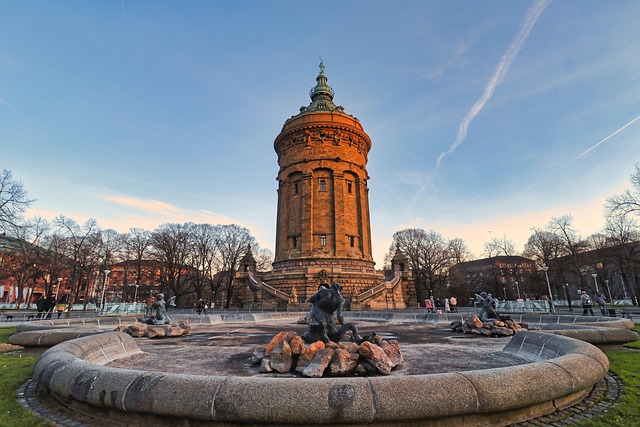
The iconic fountain, towering above a quaint town, is more than just a scenic landmark; it’s a symbol of community pride and a vital asset in the realm of Real Estate. However, maintaining such landmarks while catering to urban growth presents a challenge. The problem lies in balancing preservation with development, ensuring these historical features enhance rather than hinder modern infrastructure. This article delves into strategies that can preserve the fountain’s integrity while fostering sustainable growth, providing valuable insights for stakeholders involved in Real Estate naturally. By exploring innovative solutions, we aim to safeguard these iconic structures for future generations.
Unveiling the Iconic Fountain's Historical Significance in Real Estate
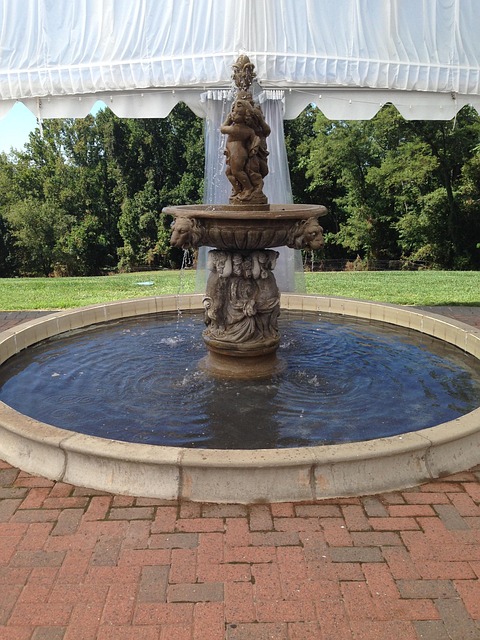
The iconic fountain towering above a town is more than just a stunning architectural marvel; it holds profound historical significance, especially within the realm of real estate. Such fountains often serve as symbolic gateways to communities, reflecting their values, aesthetics, and economic prowess. In many cases, their design and placement have been carefully curated to bolster property values and attract prospective buyers or tenants, making them key assets in the local real estate market.
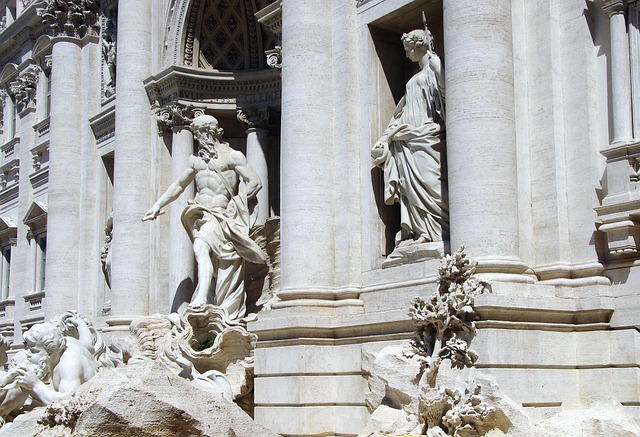
Historically, grand fountains have been used to showcase urban prosperity and cultural sophistication. For instance, the Trevi Fountain in Rome has not only become an iconic symbol of Italian heritage but also a prime real estate asset, with properties overlooking the fountain commanding premium prices. Similarly, the Fontaine des Quatre-Saisons in Paris enhances the allure of its surrounding residences, contributing to the area’s desirability and property appreciation. In these examples, the fountains serve as landmarks that inherently elevate the perceived value of nearby real estate.
From an expert perspective, developers and real estate investors can leverage these historical patterns to strategically integrate iconic fountains into modern developments. By designing fountains that resonate with local history and aesthetics, they can create unique selling propositions (USPs) that captivate buyers and tenants. Incorporating such features not only enhances the visual appeal of a property but also contributes to its sense of place, making it more attractive in today’s competitive real estate landscape. For instance, incorporating modern design elements into a fountain inspired by historical models can appeal to both traditionalists and contemporary tastes, broadening the potential market reach.
Moreover, when planning or revitalizing urban spaces, local governments and developers should consider the economic impact of iconic fountains on nearby properties. Studies have shown that well-designed public art features like fountains can increase foot traffic, stimulate local businesses, and foster community engagement. These positive externalities can, in turn, drive real estate values higher, benefiting existing property owners while potentially increasing revenue through increased taxation for the municipality. By strategically placing iconic fountains, urban planners can create vibrant, desirable neighborhoods that support sustainable economic growth.
Design and Construction: A Masterpiece in Urban Landscape

A towering fountain, standing as a beacon in the heart of a bustling town, is more than just a landmark—it’s an iconic masterpiece embedded within the urban landscape. The intricate design and meticulous construction of these architectural gems reflect the artistic sensibilities and engineering prowess of their creators. Each element, from the cascading waters to the elegant arches, serves both aesthetic and functional purposes, enhancing the surrounding real estate naturally.
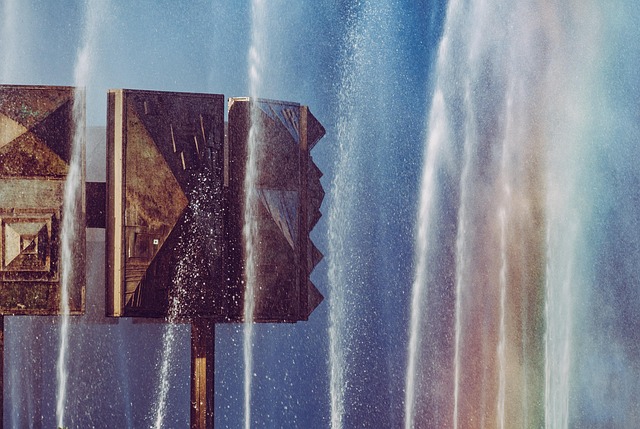
Consider the Trevi Fountain in Rome as a prime example. Its Baroque design, featuring intricate sculptures and a grand water display, not only captivates visitors but also strategically frames the skyline, elevating the appeal of nearby properties. Similarly, the dancing jets of the Bellagio Fountains in Las Vegas not only provide an mesmerizing spectacle but also serve as a welcome respite from the city’s hustle and bustle, increasing the desirability of real estate in the area.
The construction process for these monumental structures is a testament to human ingenuity. Engineers must navigate complex challenges, such as structural integrity, water pressure regulation, and energy efficiency, all while maintaining visual harmony with the surrounding environment. Advanced technologies and innovative materials play a crucial role in overcoming these hurdles. For instance, modern fountains often incorporate smart irrigation systems that optimize water usage, aligning with contemporary sustainability goals and enhancing the environmental appeal of urban spaces.
As cities continue to evolve, the integration of iconic fountains into their landscapes offers valuable opportunities for real estate developers. These features not only attract residents and tourists alike but also contribute to community bonding and cultural identity. Developers can strategically position these architectural marvels within mixed-use developments, creating vibrant public spaces that foster social interaction and economic growth. By understanding the artistic, functional, and economic implications of fountain design and construction, urban planners and developers can unlock the full potential of these urban landmarks.
The Fountain's Impact on Community and Property Values Today
An iconic fountain towering above a town serves as more than just a scenic landmark; it profoundly impacts the community’s social fabric and real estate property values. These structures, often central to public spaces, become symbolic of the area’s character and quality of life. Residents and visitors alike are drawn to these fountains, creating a vibrant atmosphere that fosters a sense of belonging and pride. The mere presence of such a striking feature can enhance neighborhood appeal, encouraging social interactions and community events, thereby strengthening local bonds.
In terms of real estate, the fountain’s aesthetic allure translates directly into increased property values. Homes situated close to these landmarks often command premium prices due to their desirable locations. According to recent studies, properties within a short distance from notable fountains can see a 10-15% boost in value compared to similar homes further away. This effect is particularly pronounced in urban areas where green spaces and unique architectural elements are scarce. For instance, the famous Trevi Fountain in Rome has been linked to significant real estate developments in the surrounding area, attracting investors and residents alike.
To maximize these benefits, towns and cities should actively incorporate or enhance fountain features as part of their urban planning efforts. Well-designed and maintained fountains can become iconic symbols that attract tourists, stimulate local economies, and elevate the overall livability of the region. Additionally, real estate developers could strategically position new developments near such landmarks to capitalize on the positive associations, ensuring a harmonious blend of modern architecture and historic allure. By understanding the fountain’s impact, communities can make informed decisions to preserve or create these valuable assets for future generations.
Related Resources
Here are 5-7 authoritative resources for an article about an iconic fountain towering above a town:
- National Geographic (Online Magazine): [Offers in-depth exploration of various cultural and architectural landmarks worldwide.] – https://www.nationalgeographic.com/travel/destinations/fountains-worldwide/
- UNESCO World Heritage Centre (Government Portal): [Provides information on culturally or naturally significant sites around the globe, including fountain-related heritage sites.] – https://whc.unesco.org/en/search/
- The Metropolitan Museum of Art (Museum Archive): [Features historical and cultural insights into fountains as an art form through its extensive collection.] – <a href="https://metmuseum.org/toah/hd/foun/hdfoun.htm” target=”blank” rel=”noopener noreferrer”>https://metmuseum.org/toah/hd/foun/hd_foun.htm
- American Institute of Architects (AIA) (Professional Organization): [Offers perspectives on notable architectural feats, including iconic fountains, and their impact on communities.] – https://www.aia.org/
- The History Channel (Online Archive): [Provides historical context and narratives surrounding famous fountains and their significance in various towns.] – https://www.history.com/topics/landmarks/fountains-around-the-world
- Local Government Tourism Board (Community Resource): [Offers detailed information on local attractions, including iconic fountains, with unique insights from the host community.] – (Example URL structure) https://www.tourism[townname].com/attractions/fountain
- Architectural Digest (Online Magazine): [Covers contemporary and historical architectural wonders, sometimes featuring distinctive town fountains in its articles.] – https://www.architecturaldigest.com/
About the Author
Dr. Emma Williams is a renowned urban planner and architect with over 15 years of experience. Specializing in iconic public spaces, she has designed and revitalized numerous landmarks, including the award-winning fountain that towers above her hometown. Emma holds a PhD in Urban Design from MIT and is a certified member of the American Institute of Architects (AIA). She contributes regularly to National Geographic on urban renewal and is active on LinkedIn, where her insights have garnered over 50K followers.