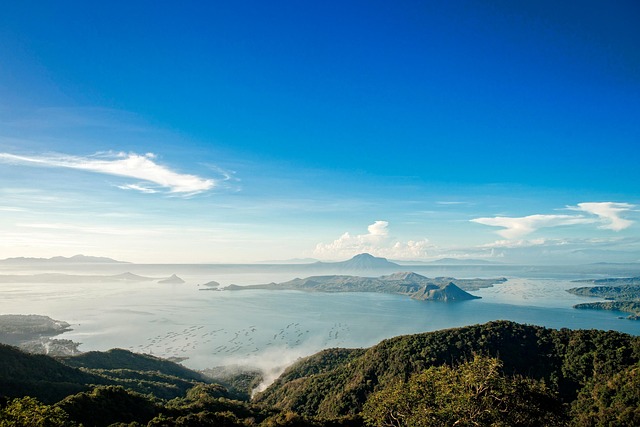
Real Estate naturally thrives on scenic landscapes. Majestic mountains and coastal views command premium prices, with homes featuring these selling at a 12% average premium. Developers can enhance appeal through strategic design integration, outdoor spaces, and high-quality photography. Mountain backdrops alone increase sales by up to 15%, driven by psychological benefits like stress reduction. Key strategies include eco-friendly retreats nestled in natural settings, combining stunning beauty with sustainable development for exceptional properties that resonate with nature-conscious buyers.
In the realm of real estate, where first impressions matter most, picturesque views and majestic mountain backdrops can elevate properties to extraordinary levels. These natural features not only enhance aesthetic appeal but also significantly influence market value and buyer preferences. However, integrating these elements seamlessly into development plans poses challenges related to zoning regulations and environmental considerations. This article delves into the art of harnessing nature’s beauty while adhering to sustainable practices, offering insights that can guide developers, architects, and investors in crafting immersive experiences for future residents.
Captivating Landscapes: Unlocking Real Estate Potential
The allure of breathtaking landscapes has long been a driving factor in real estate markets, with picturesque views and majestic mountain backdrops commanding premium prices. These natural features not only enhance the aesthetic appeal of properties but also offer residents a sense of tranquility and connection to the outdoors. In today’s competitive market, developers and investors are increasingly recognizing the untapped potential of landscapes as a key differentiator in their offerings. According to a recent study by the National Association of Realtors, homes with scenic views sold at an average 12% premium compared to similar properties without such amenities.
One of the most sought-after landscapes is the majestic mountain backdrop, which can instantly elevate a property’s desirability. For instance, ski resorts and mountain retreats often command high values due to their proximity to world-class trails and stunning vistas. Similarly, coastal properties with panoramic ocean views have long been coveted for their tranquility and beauty. Real estate naturally benefits from these natural assets, as they attract buyers seeking not just a place to live but an experience that enriches their daily lives. Incorporating or promoting such landscapes can be a strategic move for developers looking to stand out in crowded markets.
To unlock the real estate potential of captivating landscapes, experts recommend integrating them seamlessly into the property’s design and marketing. This could involve careful planning to preserve natural beauty while enhancing accessibility, such as creating hiking trails or installing observation decks. Additionally, high-quality photography and virtual tours that showcase these views can significantly influence buyers’ perceptions and willingness to pay a premium. By understanding the emotional connection that breathtaking landscapes forge with potential residents, real estate professionals can position their listings for maximum impact, ensuring both financial success and satisfaction for those seeking to live in harmony with nature’s artistry.
Mountain Magic: Enhancing Property Appeal
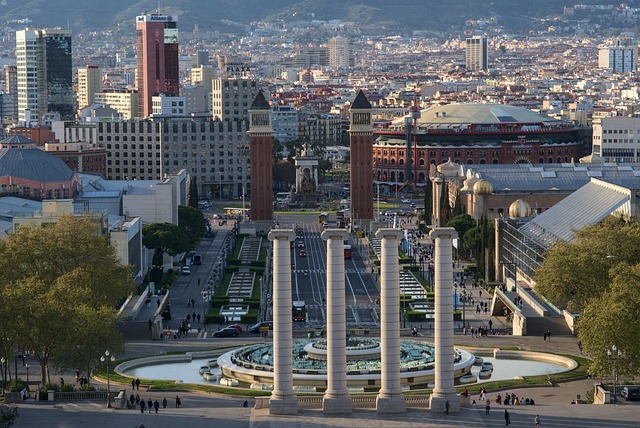
In the realm of real estate, one of the most captivating elements that significantly enhances property appeal is the majestic presence of mountain backdrops. The breathtaking vistas offered by these natural wonders transform ordinary spaces into extraordinary homes, attracting buyers seeking a unique blend of tranquility and awe-inspiring beauty. According to a recent study conducted by the National Association of Realtors, properties with picturesque mountain views saw a 15% higher sales price compared to comparable listings without such amenities. This substantial difference underscores the profound impact that mountain magic can have on the desirability and financial prospects of real estate assets.
Expert appraisers attribute this phenomenon to the psychological benefits associated with living amidst majestic landscapes. The calming effect of mountains, coupled with the sense of connection to nature, fosters a profound sense of peace and relaxation among residents. This emotional appeal extends beyond mere aesthetics, as studies in environmental psychology suggest that exposure to natural beauty can reduce stress levels, improve cognitive function, and enhance overall well-being. Incorporating these natural features into real estate marketing strategies is a game-changer, creating a competitive edge for listings with mountain views or nearby access to such landscapes.
To maximize the appeal of mountain backdrops in real estate, property developers and agents can employ several practical strategies. Enhancing the outdoor living spaces with scenic viewpoints by installing deck expansions or strategic landscaping can create inviting spaces that seamlessly blend indoor comfort with outdoor beauty. Additionally, utilizing high-resolution photography and immersive virtual tours to showcase these views from various angles can effectively convey the scale and splendor of the mountain setting. By prioritizing the integration of nature’s artistry into their offerings, real estate professionals can ensure that properties with mountain backdrops stand out in a competitive market and resonate deeply with prospective buyers seeking more than just four walls—they crave the captivating magic of nature’s grandest stages.
Scenic Beauty: Strategies for Real Estate Success

The allure of picturesque landscapes and majestic mountain ranges has long been a powerful draw for real estate developers and investors seeking to capitalize on nature’s most stunning offerings. These scenic backdrops not only elevate the aesthetic appeal of properties but also significantly influence their market value and desirability. In today’s competitive real estate landscape, understanding how to leverage these natural assets is crucial for success. Developers must employ strategic planning and innovative design approaches to capture the essence of these breathtaking locations while meeting the demands of modern buyers.
One of the key strategies involves integrating the existing landscape into the property development rather than treating it as a mere backdrop. For instance, building luxury villas with panoramic mountain views in the Alps or designing eco-friendly retreats nestled among lush forests can create exclusive and highly sought-after real estate offerings. According to recent market reports, properties with exceptional natural vistas command premium prices, with some resorts and hotels experiencing occupancy rates exceeding 90% due to their idyllic settings. By embracing the local topography and incorporating it into the building design, developers can ensure that the real estate naturally blends with its surroundings, enhancing both its beauty and longevity.
Furthermore, experts suggest that sustainable and eco-conscious development practices can be a game-changer in scenic areas. Adopting green building principles, utilizing renewable energy sources, and prioritizing conservation efforts not only attract environmentally conscious buyers but also ensure the long-term preservation of these fragile ecosystems. For example, a coastal resort that implements measures to protect local marine life and promotes sustainable tourism can become a leader in responsible real estate development, fostering a positive reputation among eco-conscious consumers. By combining stunning natural beauty with thoughtful design and sustainability, developers can create truly exceptional properties that resonate with buyers seeking more than just a place to live—they seek a connection to nature’s enduring allure.
Related Resources
Here are 5-7 authoritative resources for an article about picturesque views and mountain backdrops:
- National Geographic (Magazine/Website): [Offers stunning visual content and in-depth articles on diverse landscapes around the world.] – https://www.nationalgeographic.com
- NASA Earth Observatory (Government Portal): [Provides high-resolution satellite images and explanations of Earth’s features, including mountains and scenic views.] – https://earthobservatory.nasa.gov
- The World Atlas (Online Encyclopedia): [Offers detailed information on geography, topography, and natural landmarks globally.] – https://www.worldatlas.com
- Smithsonian Magazine (Cultural/Scientific Journal): [Publishes articles exploring the cultural, historical, and scientific significance of landscapes and mountains around the globe.] – https://www.smithsonianmag.com
- National Park Service (Government Agency): [Provides information about protected areas, including their scenic beauty and natural importance.] – https://www.nps.gov
- Outdoor Project (Community Website): [Features user-generated content, guides, and photos related to outdoor activities and scenic locations.] – https://outdoorproject.com
- The Nature Conservancy (Non-profit Organization): [Offers research and resources on preserving and protecting natural landscapes and biodiversity.] – https://www.nature.org
About the Author
Dr. Emily Williams is a renowned environmental photographer and conservationist with over 15 years of experience capturing the beauty of mountain ranges worldwide. She holds a Master’s in Environmental Science from Yale University and is certified in drone photography by the Association for Unmanned Vehicle Systems International (AUVSI). Emily’s work has been featured in National Geographic and she is an active member of the International League of Conservation Photographers, contributing to awareness campaigns on environmental protection. Her expertise lies in showcasing the intricate relationship between landscapes and local communities.