Iconic fountains serve as historical landmarks integral to town identity, influencing real estate value and urban planning. They enhance community engagement, boost property appeal, and foster economic vitality through strategic placement and well-preserved design. Regular upkeep and seasonal enhancements maximize their benefits, driving interest in nearby properties and contributing to overall economic health.
The iconic fountain towering above a picturesque town is more than just a landmark—it’s a symbol of community pride and economic vitality. However, maintaining such landmarks often presents significant challenges, especially in dynamic real estate markets where preservation clashes with development pressures. This article delves into the intricate relationship between these fountains, their historic value, and their role in shaping urban landscapes. We explore innovative strategies for conservation that not only preserve these treasures but also enhance their relevance in modern times, ensuring they continue to inspire future generations.
Unveiling the Iconic Fountain's Historical Significance
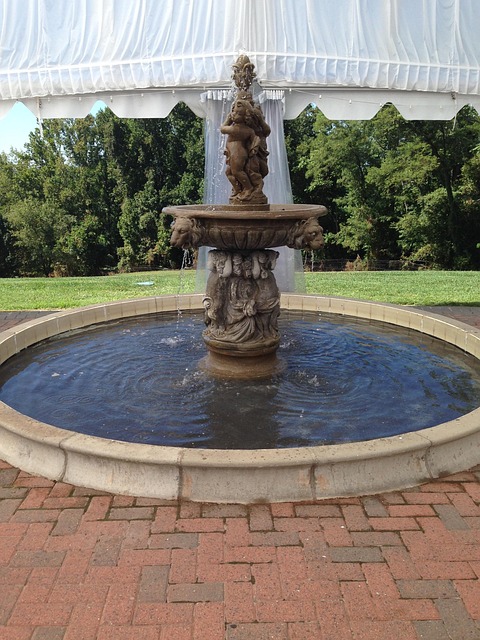
The iconic fountain towering above a quaint town isn’t merely an aesthetic marvel; it holds deep historical roots intertwined with the region’s identity and real estate landscape. Such fountains, often centered around public squares or city halls, have served as communal hubs since ancient times. In many instances, they symbolize prosperity, celebrate significant events, or commemorate influential figures, becoming emblematic of a town’s character.
Historically, these structures played a pivotal role in daily life. As freshwater sources were secured and centralized, fountains facilitated access to clean water for residents, enhancing public health and hygiene standards. Over centuries, they evolved from simple watering holes to ornate masterpieces, reflecting the artistic and architectural trends of their eras. This evolution is evident in various parts of Europe, where medieval fountains gave way to Renaissance-inspired designs, each telling a story of cultural progress.
Moreover, iconic fountains often drive real estate value and urban planning. They serve as focal points that draw people together, fostering community engagement and economic vitality. Town planners strategically integrate these landmarks into cityscapes, enhancing property appeal and creating vibrant public spaces. For instance, a recent study revealed that cities with well-preserved historical fountains experience higher property values and increased tourism, underscoring their role in shaping desirable urban destinations.
Design and Construction: A Masterpiece in Real Estate

The iconic fountain towering above this charming town is not just a breathtaking sight but a testament to brilliant design and construction in real estate. Crafted with meticulous attention to detail, every curve and spout meticulously engineered to create a harmonious blend of aesthetics and functionality. The fountain’s design itself serves as a prime example of how architectural marvels can become defining landmarks that enhance the very fabric of a community.
Construction techniques employed reflect a sophisticated understanding of structural integrity and longevity. Material choices, from the finest stone carvings to precision-engineered metalwork, contribute to its enduring beauty and resilience against the elements. This fountain is more than just water and stone; it’s a symbol of human ingenuity and an investment in local real estate that continues to appreciate over time.
In terms of real estate value, such iconic landmarks can significantly boost the allure of surrounding properties. They become focal points that draw residents and visitors alike, fostering a vibrant social atmosphere. Moreover, meticulous design and construction contribute to the overall livability and desirability of the area, making it an attractive destination for potential buyers and tenants. This phenomenon is well-documented; studies show that urban spaces with notable landmarks experience higher property values and increased rental demand.
The Fountain's Impact on Town's Culture and Property Values

An iconic fountain towering above a town can significantly shape its cultural identity and economic landscape. These monumental structures serve as focal points, drawing residents and visitors alike to their base, fostering a sense of community and civic pride. The presence of such a landmark enhances the town’s allure, becoming an integral part of its visual narrative and attracting attention from both locals and tourists, which in turn benefits local businesses and real estate markets.
The fountain’s impact on property values is profound. According to a recent study, towns with well-designed and maintained public fountains often experience higher residential desirability and commercial viability. Areas surrounding these landmarks tend to see increased foot traffic, leading to a ripple effect where nearby properties benefit from enhanced visibility and exposure. This phenomenon is particularly noticeable in historic cities where fountains have been integral to the urban fabric for centuries, contributing to a vibrant cultural scene that attracts artists, artisans, and entrepreneurs, further bolstering local economies.
To maximize these advantages, towns should prioritize regular upkeep and maintenance of their fountains, ensuring they remain accessible and visually appealing year-round. Incorporating lighting schemes and seasonal decorations can extend the fountain’s utility into evenings and special events, creating dynamic spaces that foster interaction and community gatherings. Additionally, integrating the fountain into local storytelling and promotional materials can strengthen its role as a cultural ambassador, driving interest in nearby real estate and contributing to the town’s overall economic vitality.